Default
Standard variable
The tariff you’re on if you never chose one or your fix ended. Rates are limited by the Ofgem price cap and change every three months.
- Price changes
- Every 3 months
- Exit fees
- None
- Watch for
- Rises at each cap
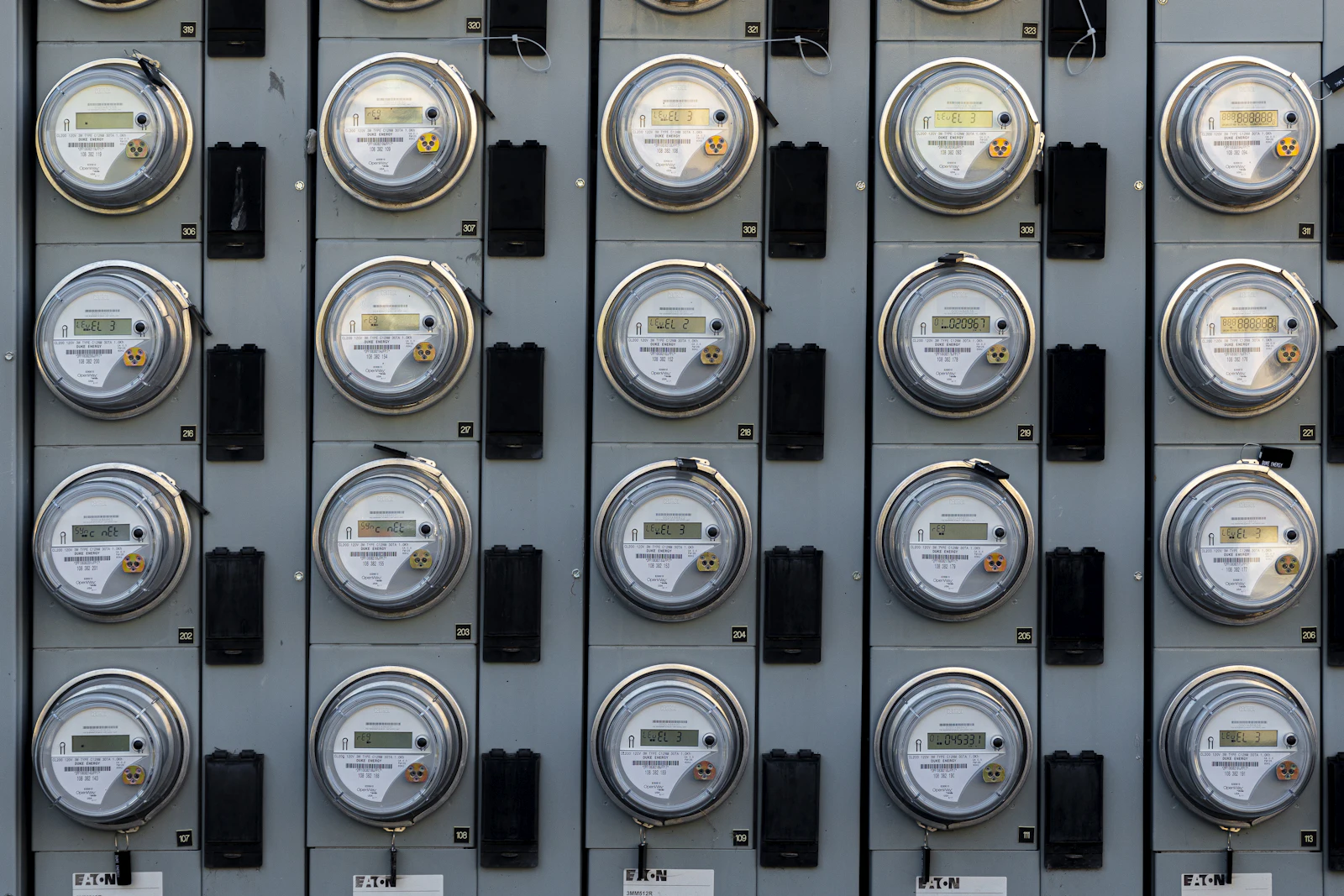
Tariff cards
Every energy deal in Britain is one of a few tariff types. Pick the right type for how you live, then compare suppliers’ prices for it.
Tap a filter to narrow it down.
Default
The tariff you’re on if you never chose one or your fix ended. Rates are limited by the Ofgem price cap and change every three months.
Fixed
Your unit rates and standing charges stay the same for the term. You still pay for what you use.
Pay as you go
Top up before you use energy, by smart meter app, key or card. Ofgem says prepay currently pays the lowest cap rates.
Green
Electricity matched with renewable generation. Some suppliers buy certificates, others buy power directly from generators.
Pilot
An Ofgem pilot from April 2026 with EDF, E.ON, Octopus and British Gas: lower daily charge, higher unit rate. Can suit very low users.
Smart
Rates follow wholesale prices, typically changing daily, usually with a cap on the maximum. Needs a smart meter.
Smart
Different prices at different times. Some have fixed peak and off-peak bands, others change every half hour (agile tariffs).
Smart
Very cheap overnight electricity windows for charging an electric car, sometimes for the whole home.
Smart
Cheaper electricity for homes heating with a heat pump, either a flat discount or cheaper set times.
Multi-rate
Seven (or ten) hours of cheaper night electricity. Designed for storage heaters and hot water. Needs a multi-rate meter.
Export
Get paid for electricity your solar panels send to the grid. Larger suppliers must offer a Smart Export Guarantee tariff.
Sources: Ofgem: lower standing charge tariffs, next steps · Ofgem: Smart Export Guarantee.
Every tariff has two parts. The unit rate is what you pay per kWh. The standing charge is a fixed daily amount that covers network and supplier costs, whether you use energy or not. A tariff with a low unit rate but a high standing charge can cost more if you use little energy, so always compare both for your own annual usage.
Last updated: 15 October 2026

Check any deal against the cap, standing charges and exit fees.
Explore →
Smart meters, off-peak, agile and EV charging tariffs.
Explore →
Current Ofgem rates, the VAT change and January forecasts.
Explore →
Big suppliers, green specialists, challengers and prepay firms.
Explore →