Price cap 1 Oct–31 Dec 2026: £1,723 a year (typical dual fuel, Direct Debit) Electricity 26.32p/kWh · 54.83p/day Gas 7.97p/kWh · 29.68p/day What it means for you →
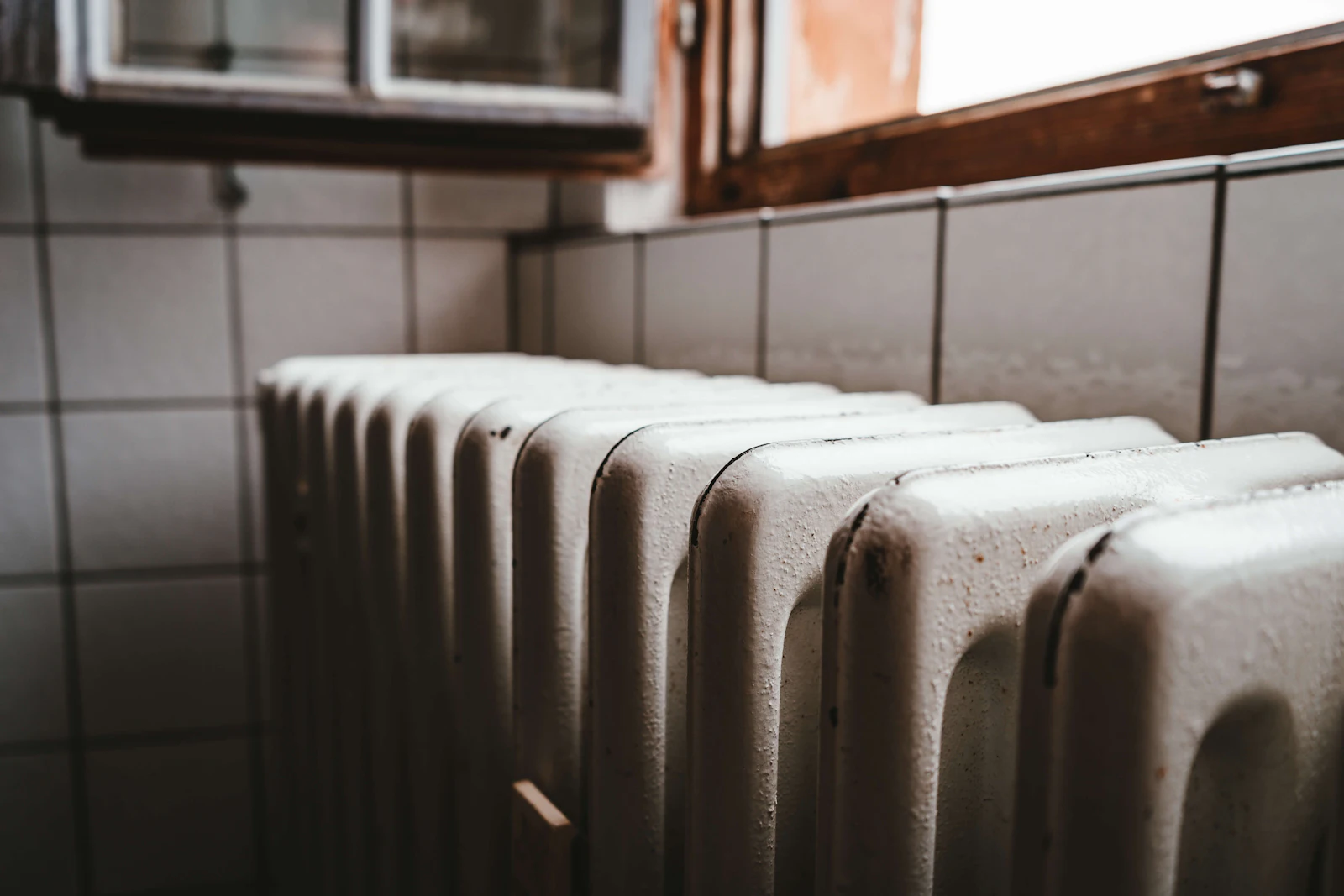
A white radiator under a wooden window

Use less, pay less

Energy saving tips that actually work

The cheapest unit of energy is the one you don’t use. These are the changes with the biggest impact, starting with the free ones.

Photo: Julian Hochgesang on Unsplash

Free changes to make today

Lower your boiler flow temperature

Many combi boilers run hotter than needed. A lower flow temperature lets condensing boilers work more efficiently.

Turn the thermostat down 1°C

A small change that adds up across a winter. Keep living rooms at a healthy temperature.

Heat rooms, not the house

Use timers and radiator valves so empty rooms aren’t heated.

Shorter showers

Saves on both water and the energy to heat it, and helps with a water meter.

Switch devices off standby

TVs, consoles and chargers left on standby all use power.

Wash at 30°C

Most of a washing machine’s energy goes on heating the water.

Heating: the biggest part of most bills

  • Boiler flow temperature: check your manual or ask a Gas Safe engineer to set it lower. Don’t change hot water settings on system boilers with a cylinder without advice, because stored water needs to be hot enough to prevent bacteria.
  • Radiators: bleed them, keep furniture away from them and use thermostatic radiator valves.
  • Curtains: close them at dusk to keep heat in.
  • Smart controls: a smart thermostat helps you heat only when you’re home.

Stop heat escaping

Draught-proofing doors, windows, letterboxes and floorboards is one of the cheapest DIY upgrades. For bigger savings, loft and cavity wall insulation help most homes; check grants first. The Energy Saving Trust has detailed, independent advice and calculators.

Make your tariff work harder

If you have a smart meter, moving washing, dishwashing and EV charging to off-peak times can save money on a time-of-use tariff. If you’re on Economy 7, run storage heaters and hot water on the cheap night rate.

Save on water too

Fix dripping taps, fit a water-efficient shower head and only run full loads. If you’re metered, every litre saved comes off your bill. See our water bills guide for meters and social tariffs.

Last updated: 15 October 2026

Frequently asked questions

What uses the most energy at home?
For most UK homes, space heating and hot water are the largest share of energy use, followed by cooking, appliances and lighting.
Is it cheaper to leave the heating on low all day?
Generally no. Heating your home only when you need it usually uses less energy. Heat pumps are different: they often work best running steadily at a lower temperature.
Do energy saving devices that plug into a socket work?
Be wary of plug-in “energy saver” gadgets that promise big savings. Check independent advice, such as from the Energy Saving Trust or Which?, before buying.

Search EnergySavers